Call: 330-425-7979

HPP vs. Thermal Pasteurization: What Food Brands Need to Know Before Scaling
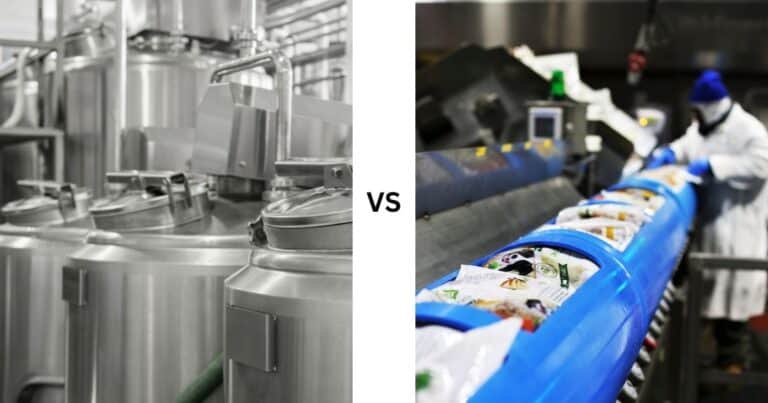
As food and beverage brands grow, one of the most important decisions they face is how to ensure product safety while maintaining quality.
Two of the most common approaches are:
- High Pressure Processing (HPP) or Thermal pasteurization
Both are effective — but they produce very different outcomes.
Understanding those differences is critical when preparing for retail, distribution, and long-term brand growth.
What Is Thermal Pasteurization?
Thermal pasteurization uses heat to eliminate harmful microorganisms.
This process has been widely used for decades and is effective at reducing pathogens and extending shelf life.
However, heat-based processing can also impact:
- Flavor
- Texture
- Nutritional value
For certain products, these changes are minimal. For others, they can significantly alter the final product.
What Is High Pressure Processing (HPP)?
High Pressure Processing is a cold pasteurization method that uses ultra-high pressure — up to 87,000 PSI — to inactivate pathogens.
Because it does not rely on heat, HPP allows products to retain:
- Fresh flavor profiles
- Natural color
- Nutritional integrity
- Original texture
This makes it especially attractive for products positioned as fresh, clean-label, or minimally processed.
Key Differences Between HPP and Thermal Processing
When evaluating these methods, brands should consider:
- Product Quality HPP preserves fresh characteristics, while thermal processing can alter taste and texture depending on the product.
- Shelf Life Both methods extend shelf life, but HPP allows products to remain refrigerated while maintaining a “fresh” perception.
- Labeling & Positioning HPP supports clean-label formulations without preservatives. Thermal processing may require formulation adjustments depending on the product.
- Packaging Requirements HPP requires flexible, water-compatible packaging. Thermal processing often allows for a wider range of packaging formats.
- Brand Positioning Brands focused on freshness, premium quality, and minimal processing often lean toward HPP.
When Should a Brand Choose HPP?
HPP is typically the right fit when:
- Product quality and freshness are core to the brand
- The product is refrigerated and perishable
- The brand is entering retail or expanding distribution
- Clean-label positioning is important
- Shelf life needs to be extended without compromising taste
When Thermal Pasteurization May Be a Better Fit
Thermal processing may be more appropriate when:
- Products are shelf-stable
- Cost sensitivity is a primary factor
- Product formulation can withstand heat without quality loss
- Packaging requirements differ from HPP constraints
Choosing the Right Path for Your Product
There is no one-size-fits-all answer.
The right approach depends on your product, your distribution goals, and how you want your brand to be positioned in the market.
What matters most is understanding the trade-offs — and making an informed decision before scaling.
Final Thoughts
Food safety is non-negotiable. But how you achieve it can define your product experience and brand perception.
As more brands move toward fresh, clean-label offerings, High Pressure Processing continues to play a growing role in how products are brought to market.
If you’re evaluating High Pressure Processing or comparing processing methods for your product, we’re always open to sharing insight and helping brands understand their options.
Contact our team to learn more about our process, capabilities, and how we can support your growth.